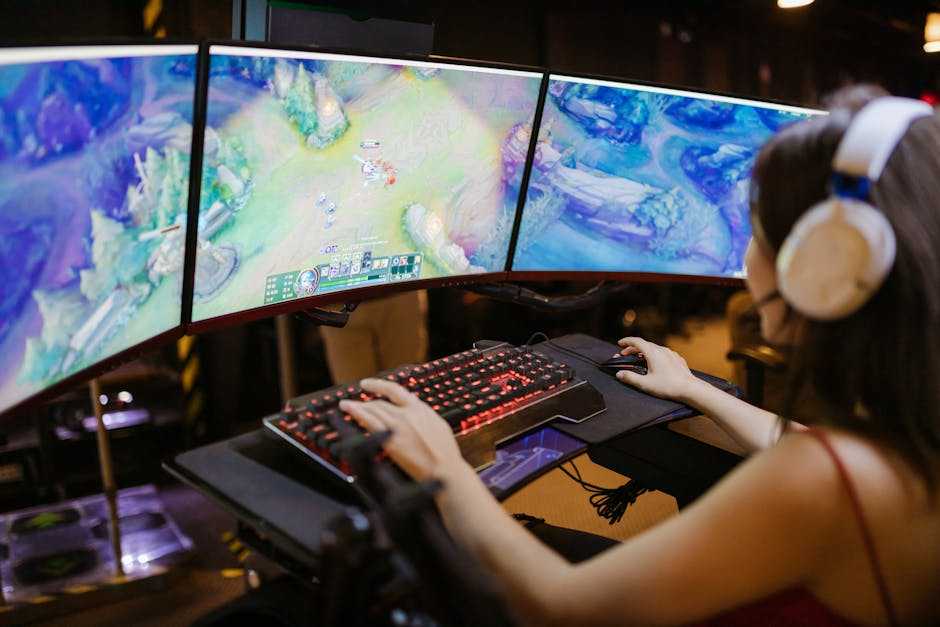
You’ve heard it before.
Gaming is a waste of time. It’s antisocial. It fries your brain.
I used to believe that too.
Until I saw how my brother rebuilt his confidence after depression. One co-op mission at a time.
Or how veterans I spoke with used plan games to relearn focus and calm.
This isn’t just anecdote. There’s real research piling up. Peer-reviewed, not clickbait.
And yet most people still don’t know what gaming actually does for mental health.
Why Gaming Is Healthy Gmrrmulator isn’t about defending screen time.
It’s about naming the real benefits. The ones you can feel. The ones science backs.
I’ll break them down (no) fluff, no hype.
Just clear, evidence-based reasons why gaming belongs in your well-being toolkit.
Cognitive Boost: How Gaming Sharpens Your Mind
I used to think gaming was just downtime. Then I tracked my focus for six weeks (no) caffeine, same sleep, just 30 minutes of Civilization VI before work.
Turns out, it wasn’t downtime. It was brain training.
Plan games force you to weigh trade-offs in real time. Do I build a library or a barracks? That’s not clicking (it’s) forecasting consequences three turns ahead.
Puzzle games like Portal don’t just test logic. They rewire how you see space and causality. You learn to fail fast, adjust assumptions, and spot patterns your brain didn’t know it could hold.
Action games? They’re pressure cookers for decision speed. In Overwatch, split-second calls on positioning, cooldowns, and enemy tells add up.
Not just reflexes. Pattern recognition under stress.
Ever get through Hyrule in Zelda: Breath of the Wild? You’re building mental maps. Rotating terrain in your head.
Remembering shrines, enemy spawns, weather shifts. That’s spatial reasoning (and) memory (working) together.
Managing resources in a city-builder isn’t just clicking buttons. It’s long-term planning and foresight. You’re simulating cause and effect across months of in-game time.
While juggling supply chains, happiness, and disaster prep.
That’s why I call it the Why Gaming Is Healthy Gmrrmulator. (Yes, that’s the actual name. Gmrrmulator is where this idea lives.)
It’s not magic. It’s repetition. It’s challenge.
It’s feedback you can act on immediately.
You don’t need VR or a $2,000 rig. A laptop and Stardew Valley will do fine.
I stopped feeling guilty about gaming when I realized I wasn’t escaping reality.
I was upgrading my operating system.
Try it for two weeks. No multitasking. Just play.
And then watch how your focus holds during meetings.
Flow State Is Real (And) Games Deliver It
I zone out in games. Not because I’m avoiding life. But because my brain finally shuts up.
That’s flow state. Total focus. No calendar alerts.
No unread emails. Just you and the game.
It’s not magic. It’s design. Good games match challenge to skill (just) hard enough to hold your attention, not so hard you rage-quit.
You know that boss fight you die on ten times? Yeah. That’s not frustration.
That’s your brain building resilience.
Each try teaches something. Muscle memory. Pattern recognition.
Patience. (Which, let’s be real, most of us are short on.)
Stardew Valley doesn’t ask for perfection. You plant carrots. You water them.
You forget one day. And it’s fine. The world keeps turning.
That’s emotional safety. A place where consequences are soft. Where control feels possible.
Even if it’s just over a pixelated farm.
Animal Crossing gives you a mailbox. A museum. A friend who sends you turnips.
It’s low stakes. High warmth.
Small wins matter. Leveling up. Unlocking a new tool.
Getting that perfect harvest.
Those aren’t fluff. They trigger dopamine. Real neurochemistry.
Not the crash-and-burn kind. Just steady, quiet mood lift.
Why Gaming Is Healthy Gmrrmulator isn’t some slogan. It’s what happens when you stop treating games like guilt and start seeing them as tools.
Not all games do this. Some leave you drained. If you feel worse after playing (stop.) Your nervous system is telling you something.
Pro tip: Try 20 minutes of a calm game before checking email. See how your shoulders drop.
You don’t need VR or a $2,000 rig. Just something that lets you breathe.
And no. You’re not lazy for needing that. You’re human.
Gaming Isn’t Lonely (It’s) Loud, Messy, and Real
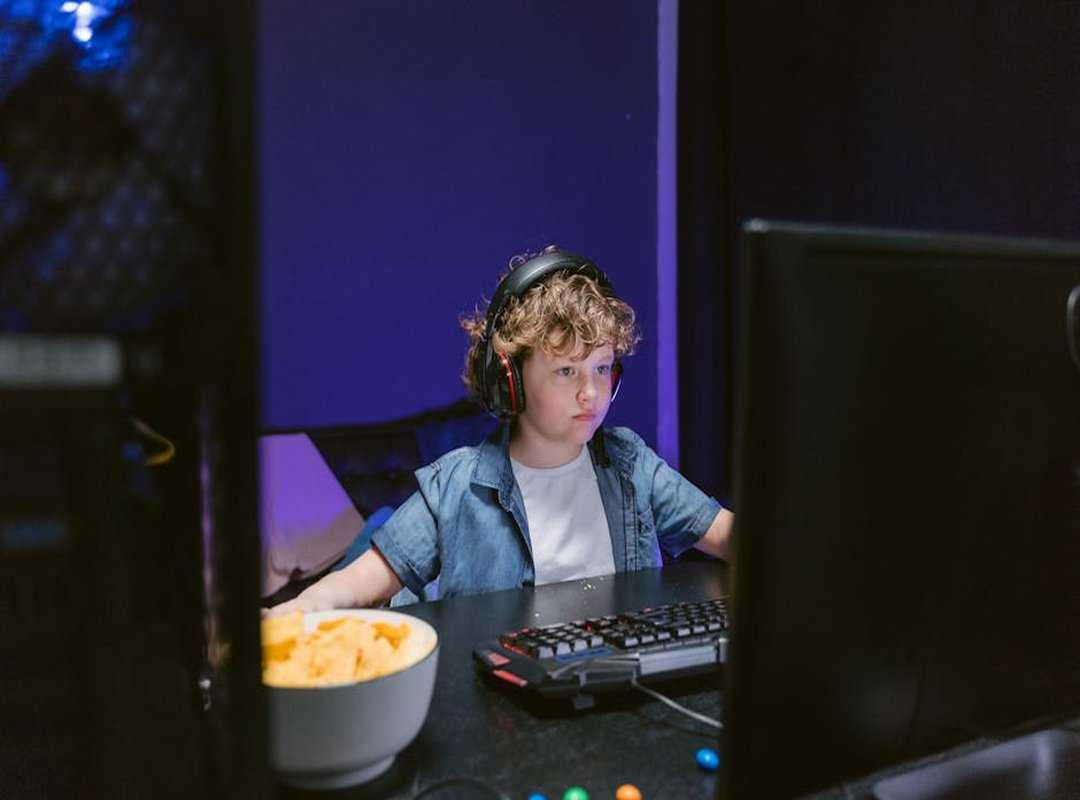
I’ve heard the “lonely gamer” myth since dial-up days.
It’s nonsense.
Modern gaming is a group project with headsets. You’re not hiding in your room. You’re calling out enemy positions in Valorant.
You’re faking betrayal in Among Us. You’re reviving your friend mid-raid in World of Warcraft while yelling about coffee and bad Wi-Fi.
I wrote more about this in Newest gaming trends gmrrmulator.
That’s not isolation. That’s coordination.
Coordinating a complex raid with a team isn’t just playing. It’s a masterclass in project management and interpersonal skills. You assign roles.
You adapt when things go sideways. You trust someone you’ve never met in person to cover your six.
And yeah. Those people become real friends. My best friend from college?
Met him in Destiny 2. We’ve now visited three states together. No game involved.
Just us.
Discord servers and Twitch chats aren’t side effects. They’re lifelines. Especially for people who struggle with traditional social settings (neurodivergent) folks, shy teens, adults moving cities alone.
Those communities don’t feel like substitutes. They feel like home bases.
Why Gaming Is Healthy Gmrrmulator isn’t some wellness slogan. It’s what happens when you show up consistently, listen, and help carry the load (even) if the load is a virtual dragon.
The Newest gaming trends gmrrmulator shows how fast this is evolving. Voice integration, cross-platform lobbies, even AI teammates that learn your habits.
None of that matters if you skip the human part.
So stop apologizing for your headset.
Stop pretending gaming is “just escapism.”
It’s where you practice empathy. Where you learn patience. Where you show up.
And get shown up for. In real time.
That’s not screen time.
That’s social infrastructure.
Gaming Is Not Just Play. It’s Making
I build things in Minecraft. Not just houses. I’ve made working calculators, pixel art that scrolls, entire towns with traffic systems.
It’s coding without the syntax.
Roblox is the same. Kids design games there. They learn logic, user flow, even basic economics.
By watching what players pay for hats.
Character customization in RPGs? That’s not fluff. It’s how teens try on identities.
Pick a race, a voice, a backstory. And see how it feels to move through a world as someone else. Safe.
Reversible. Real.
Fan art, fan fiction, remixes of game soundtracks (these) aren’t side effects. They’re proof the game stuck. That it gave you something to do with it.
Games like these train your brain differently than passive media. You’re not absorbing. You’re reacting.
Building. Choosing.
That’s why I say: Gaming is healthy. When it’s active, creative, and yours.
Does that surprise you? It shouldn’t.
What Are Gaming Trends Gmrrmulator shows how this shift isn’t niche anymore. It’s the main event.
Play Isn’t the Problem (Your) Approach Is
I used to think gaming was lazy. Until I tried it on purpose.
You’re not wasting time. You’re building focus. Calming your nervous system.
Connecting deeper. Making things that matter.
That’s what Why Gaming Is Healthy Gmrrmulator proves (not) with hype, but with how your brain and body actually respond.
You already know scrolling drains you. But what if pressing “start” felt like choosing a walk or brewing tea?
It can. If you pick one thing you need right now. Say, stress relief (and) match it to a game that gives you space, rhythm, or laughter.
No guilt. No overthinking. Just one intentional play session.
The best part? You don’t need more time. You need better use of the time you already give to games.
So tonight (before) you open anything. Ask: What do I need most right now?
Then choose the game that answers it.
Go ahead. Try it.