5G and Mobile Gaming: A Perfect Match
The introduction of 5G in mobile networks is doing more than just accelerating download speeds. It’s fundamentally changing how, where, and what we play. In 2026, 5G is not just an upgrade it’s the foundation of a new era in mobile gaming.
More Than Just Speed
Many assume 5G is simply about faster internet, but it’s the ultra low latency that makes it revolutionary for gamers. Unlike previous generations, which focused on throughput alone, 5G reduces lag to the level once reserved for high end gaming consoles.
Latency drops to near zero, shaving critical milliseconds off response times
Real time responsiveness is achievable even in graphically intense games
Competitive play becomes viable purely on mobile devices
Real Console Level Responsiveness
With 5G, the responsiveness typically associated with wired or Wi Fi console setups is now possible on the move. Whether you’re dodging enemies in a real time shooter or pulling off perfect combos in a fighting game, you can do it instantly from your phone.
Touch controls feel more immediate and precise
Multiplayer matchups sync in real time without frustrating lags
Frame drops and jitter are drastically reduced
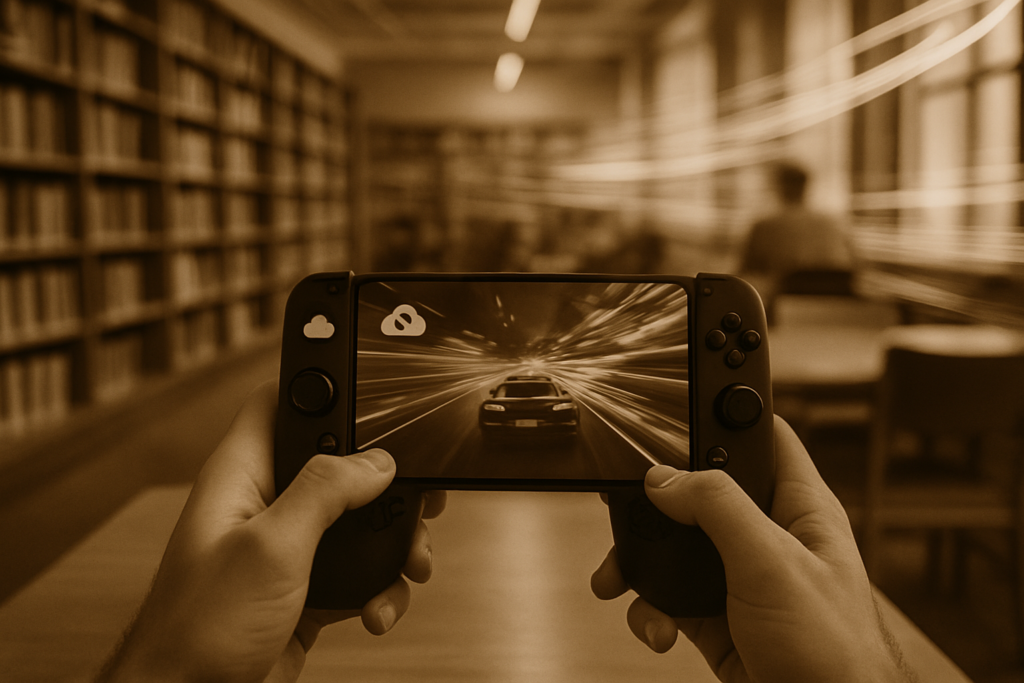
Mobile Cloud Gaming Comes Into Its Own
One of the biggest barriers to mobile cloud gaming has been inconsistent performance and latency. With 5G, that’s no longer a limiting factor. High performance, graphics rich games once confined to powerful PCs or consoles can now stream seamlessly to your phone.
Play AAA titles without the need for high end hardware
Instant access to large game libraries via platforms like Xbox Cloud Gaming and NVIDIA GeForce NOW
Reduced installation times and storage requirements on device
The Bottom Line
5G isn’t just another step forward it’s a leap. From ultra responsive controls to untethered access to console quality experiences, it positions mobile gaming as a true peer to traditional platforms.
Creators, developers, and players alike are just beginning to tap into what this means for the future of gaming on the go.
Speed Meets Scale: Bigger Multiplayer, Better Worlds
The true power of 5G isn’t just its speed it’s what that speed enables. In 2026, mobile gaming isn’t just about smoother graphics; it’s about scale, instant interaction, and immersive experiences that used to require consoles or gaming PCs.
Real Time Multiplayer at New Levels
Massive, real time multiplayer gaming is no longer limited by bandwidth or latency. 5G opens the door to competitive gameplay on the go without lag or delays interrupting the experience.
Competitive shooters and battle royales with minimal latency
Seamless matchmaking and synchronization even in high population lobbies
Faster ping means quicker response times and fairer play
Open Worlds Without Compromise
Open world and MMO (Massively Multiplayer Online) games are thriving on mobile thanks to 5G’s low latency and stable throughput.
Expansive environments load faster and more fully
Players experience fewer compromises in graphical or interactive quality
Persistent world states are updated in real time without lag
Built In Social Connectivity
With cloud based infrastructure and near instant data transfer, social features are integrated more deeply into gameplay.
Voice chat, live co op, and friend invites function with desktop level responsiveness
In game events and live streams can be shared instantly
Multiplayer games now prioritize real time social connectivity as a core feature
5G isn’t just improving mobile gaming performance it’s transforming how players experience and share those moments, making the games more dynamic, connected, and alive.
Shaping Game Design From the Ground Up
For years, mobile gaming played catch up to consoles. With 5G, that gap is closing and developers aren’t just optimizing for mobile anymore; they’re building for it from day one. High speed, low latency access has made mobile first design a serious strategy. Games no longer need to assume limited bandwidth or unpredictable network performance. Now, devs can go bold from the start.
One big shift: decentralized processing. Instead of loading up phones with heavy assets or long loading screens, game engines are offloading more work to the cloud. The result is smoother performance and richer visuals, especially in fast paced or expansive game worlds. This decentralized backbone also helps developers scale experiences across devices from phones to tablets to TVs without locking users into a single platform.
We’re also seeing the rise of live, persistent game worlds. Think MMOs that run 24/7, with players dipping in and out across devices without missing a beat. 5G allows these real time, always online ecosystems to run fluidly, no matter where or how players connect. For game developers, that opens up creative angles that were impossible even a few years ago.
Cloud Infrastructure and Edge Computing

The days of needing high end specs just to run demanding mobile games are numbered. With 5G rolling out at scale, the pressure is shifting away from your phone and onto the network itself. In plain terms: your device doesn’t need to do all the heavy lifting anymore.
Edge computing is the key here. Instead of relying on distant data centers, game logic and rendering tasks can now be handled by nearby edge servers. That means smoother performance, faster load times, and less overheating on your phone without sacrificing quality. You’re playing high fidelity games, but your phone’s just acting as the screen, not the engine.
Cloud streaming takes it one step further. Entire game environments can be rendered remotely and streamed as you play. No big downloads. No bloated files eating up storage. It’s gaming on demand, built for a world where what matters is connection speed, not core count.
This shift isn’t flashy. It’s infrastructure. But it’s making seamless mobile gameplay feel closer to console, without the hardware tax.
Monetization and Engagement Trends
Mobile gaming in 2026 doesn’t stop at gameplay it’s a live economy built on constant connection. With 5G providing always on access, ad formats are getting smarter and more interactive. We’re seeing a shift from static banners to dynamic in game placements and real time sponsored challenges. Ads aren’t interruptions anymore they’re missions, bonuses, and storyline tie ins.
Subscription models are also no longer a bonus feature. Players expect premium access no ads, early content, cross platform syncing as part of a seamless, monthly plan. And with faster connectivity, real time events like global tournaments or time based loot drops are now bread and butter for engagement. Creators and developers are leaning into this immediacy to build loyalty and sell experiences, not just products.
Want to see where else mobile trends are headed? Check out mobile trends 2024.
A Look Ahead: What Gamers Can Expect
Mobile gaming in 2026 isn’t just getting better it’s crossing lines that used to separate phones from full blown gaming rigs. With 5G in play, developers are pushing out near console quality titles at scale. The graphics are sharper, the environments richer, and the gameplay smoother. Games that used to demand a living room setup now run fluidly on smartphones, with no clunky compromises.
Cross platform progression is also no longer a niche feature. It’s expected. A game started on mobile in the morning can be picked up later on PC or console same character, same gear, no friction. It’s creating a more unified gaming experience, one that values access over platform loyalty.
And then there’s augmented reality. AR is moving past novelty territory and becoming a legit layer in mobile play. Whether it’s overlaying tactical elements in the real world or turning your neighborhood into a fantasy battleground, AR is finally doing what it promised. Seamless, fun, and playable on the move.
The bar for mobile gaming is rising fast. With 5G providing the muscle, creators have more room to build and players have way more to explore.
Challenges That Remain
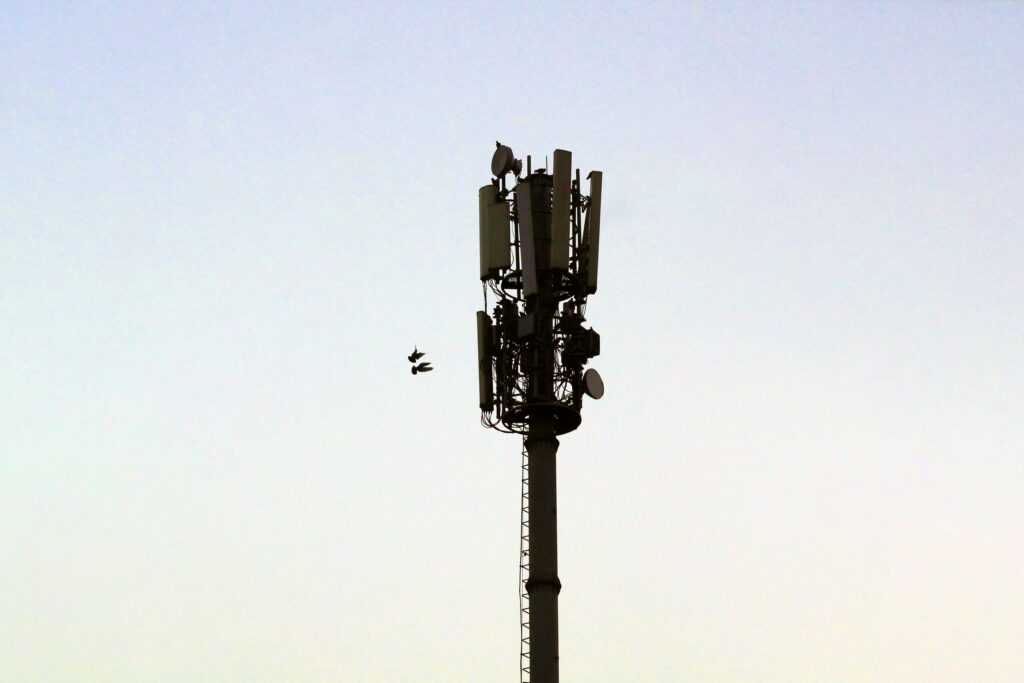
The 5G promise isn’t being delivered equally everywhere. Rollouts are uneven, especially outside dense urban centers. Some regions enjoy low latency, high bandwidth access while others still lean on unstable or throttled connections, depending on the carrier. This creates a frustrating split in user experience what feels like next gen gaming in one place might be stuck in buffering hell just a few miles away.
Then there’s the not so small issue of power consumption. Always connected gameplay, real time rendering, and cloud streaming drain mobile batteries fast. 5G chips improve speed and reduce latency, but they’re still energy hungry. It’s common for gamers to shave hours off their battery life just playing consistently on upgraded networks. That adds pressure on hardware manufacturers to innovate fast.
And we can’t ignore privacy. With cloud based infrastructure doing more of the heavy lifting, players are continuously sharing gameplay data, location info, and device metadata. While some services encrypt well, not all do. An always on connection doesn’t just stream your game it opens doors. Creators, developers, and platforms will need to build trust by being transparent about data usage and by strengthening security protocols. Because seamless connectivity won’t mean much if people don’t feel safe using it.
Keeping Up with the Rapid Shift
As 5G unlocks new frontiers in mobile gaming, the pace of change increases across the entire ecosystem. From game studios to individual gamers, everyone is faced with the challenge and opportunity of adapting in real time.
For Developers: Beyond Legacy Constraints
Traditional mobile game architecture is rapidly becoming outdated. The expectations associated with 5G level experiences real time responsiveness, immersive visual fidelity, and always on connectivity demand a fresh approach.
Legacy frameworks must evolve to accommodate edge computing and cloud rendering
Decentralized processing and minimal latency need to be baked into core design
Cross platform integration is no longer optional, it’s expected
For Gamers: Faster Innovation, Tougher Choices
The benefits for players are exciting, but they come with trade offs. As 5G enables broader access to high quality games and features, users will need to make more decisions about platforms, services, and performance.
Hardware upgrades may still matter as games push device limits, even with cloud help
Subscription fatigue could set in with growing competition among services
Data usage and battery demands will impact daily play patterns
Stay Updated
To navigate these shifts effectively, staying informed is key. The mobile gaming space is evolving faster than ever.
Explore deeper insights here: Mobile Trends 2024