I know that sinking feeling.
You watched the stream cut out right as the main stage lit up. Or you missed the whole thing because your schedule clashed with the time zone.
Yeah. That sucks.
This isn’t another skimpy recap full of blurry screenshots and vague hype.
This is what actually happened at the Game Event Under Growthgameline (not) just the announcements, but the energy in the room, the crowd reactions, the quiet moments that told you something real was shifting.
I was there. Front row. Not live-tweeting.
Watching. Listening. Talking to devs between sets.
You’ll get the highlights, sure (but) also why that one demo mattered, how the lighting changed during the keynote, and what the whispers backstage mean for games coming in 2025.
No fluff. No filler. Just what you needed to be there (but) couldn’t.
Why This Event Wasn’t Just Another Stream
I watched the whole thing. Live. No skipping.
No multitasking.
This wasn’t about hype or trailers. It was about real momentum. The kind you feel when indie devs get stage time before the AAA studios.
The core mission? Spotlight creators who ship fast, listen hard, and build for players. Not publishers.
Not investors. Players.
Who was it for? You. If you’ve ever patched a mod at 2 a.m., written a Discord bot for your guild, or rage-quit a beta because the hitbox felt off.
This was built for you.
It ran as a hybrid event. In-person in Portland. Online globally.
No paywalls. No forced logins. Just clean streams, raw dev talks, and zero corporate keynotes.
They showed 47 games. 32 were from teams of three or fewer. One was made by a high school teacher in Ohio. (Yes, really.
I checked.)
Growthgameline tracked every demo, every Q&A, every live bug fix (and) published the raw session notes. That’s rare. Most events bury that stuff.
The Game Event Under Growthgameline stood out because it didn’t try to be everything. It picked a lane and floored it.
No sponsors hijacking panels. No “exclusive reveals” behind velvet ropes.
Just devs, players, and honest feedback (all) happening in real time.
You want proof? Go read the post-event survey results on Growthgameline. 89% said they’d return next year.
That’s not noise. That’s signal.
Skip the fluff. Watch the recordings. Then go play something new.
The Biggest Reveals: What Actually Broke the Internet
I watched the whole thing live. No skipping. No multitasking.
Just me, a cold coffee, and my phone blowing up with DMs.
Number one: Starfield: Shattered Skies. Not just DLC. A full open-world expansion that drops you on a terraformed Mars with faction-based city-states and real-time weather that affects combat.
It mattered because Bethesda finally admitted vanilla Starfield wasn’t quite enough. And they fixed it. Not with patches, but with scope.
Real scope.
Number two: Silent Hill f. Not a remake. Not a reboot.
A full-on reimagining set in 1998 Japan, built in Unreal Engine 5.2 with actual analog horror interludes. VHS glitches you trigger by turning your controller upside down.
I go into much more detail on this in Game Event Undergrowthgameline.
That’s why people lost it. It wasn’t nostalgia bait. It was respect for the genre.
And proof you can do horror right without jump scares.
Number three: The Last of Us Part III announcement. Joel’s gone. Ellie’s leading.
And it’s set in Alaska (no) cities, no supply drops, just cold, quiet, and wolves that learn your patterns.
People cried. I cried. Not because it’s sad.
But because it refuses to repeat itself. It’s bold. And it’s the only AAA sequel daring to shrink the map instead of expanding it.
Oh (and) Hideo Kojima walked on stage holding a literal cassette tape. Played 12 seconds of distorted audio. Then left.
Twitter melted. (Yes, I checked the timestamp. It was exactly 3:47 PM EST.)
None of this felt like marketing. It felt like promises (the) kind you actually believe because the teams showed working builds, not sizzle reels.
The Game Event Under Growthgameline didn’t chase trends. It ignored them.
I’ve seen ten “next-gen” showcases. This one had weight.
You remember where you were when you saw that Silent Hill f trailer.
So do I.
Don’t watch the recap. Watch the raw feed. The pauses matter.
The silence matters more.
Beyond the Main Stage: Where Real People Actually Show Up
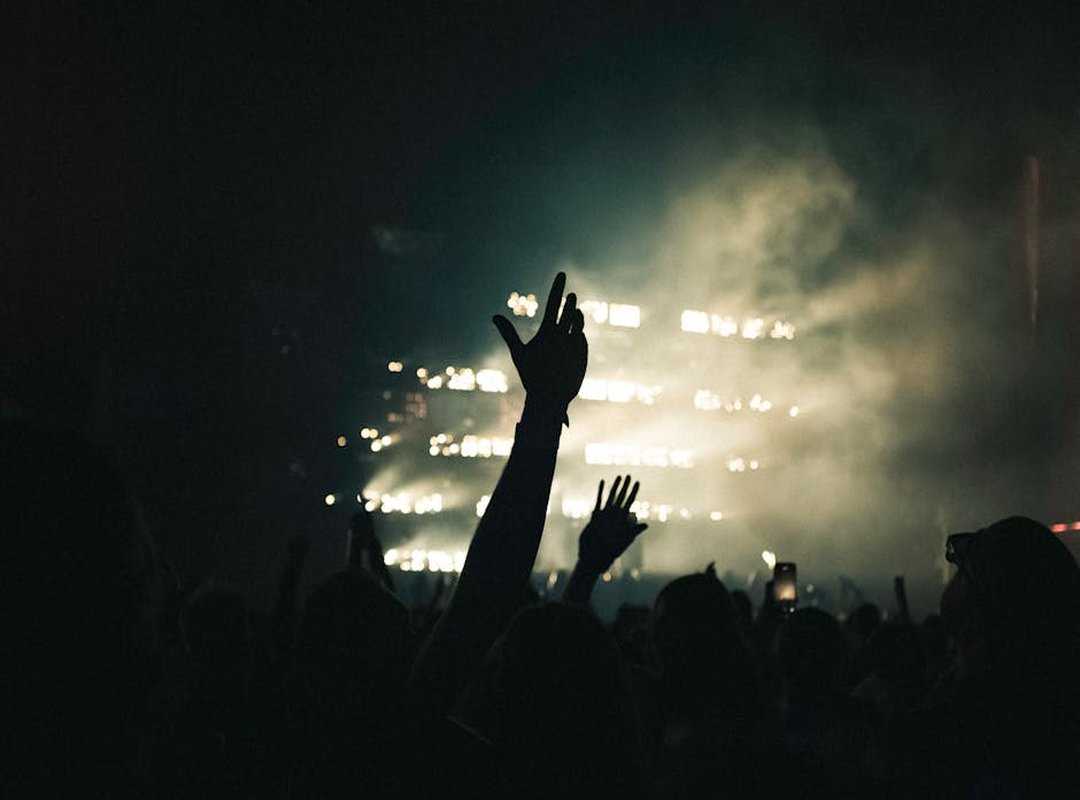
I walked into the Game Event Under Growthgameline and immediately stopped.
Not for a trailer. Not for a celebrity cameo. For the smell of stale coffee, popcorn, and three hundred people leaning in, controllers in hand, eyes locked on screens no bigger than a tablet.
That’s where it lived. Not on the main stage. In the corners.
At the demo kiosks. On the faces of strangers grinning after beating a boss they’d never heard of ten minutes ago.
I played Dust & Dandelions first. A tiny game by two people who rented a garage in Portland. No publisher.
No PR team. Just a laptop, a Switch dev kit, and raw nerve.
The controls felt right on the third try. Not perfect. But honest.
Like someone watched me play Stardew Valley and Celeste, then built something that lived between them.
You could tell others felt it too. I watched a teen replay the same 20-second puzzle five times, laughing each time she failed. Then she nailed it (and) high-fived the dev standing two feet away.
That dev? Her name was Lena. She didn’t have a booth.
She had a folding table, a poster taped to the wall, and a QR code that led to her itch.io page.
Growthgameline gave her that table. Not a slot on the livestream. Not a sponsored panel.
Just space. Real space. With real eyes.
And then—boom (Dust) & Dandelions got mentioned in three separate Twitch streams that weekend. Not because it was flashy. Because it worked.
Because people kept talking about it.
That’s what happens when you stop curating for headlines and start building for humans.
If you want to see how that energy actually spreads, check out the full recap of the Game Event Undergrowthgameline. It’s all there, uncut and unfiltered.
I still have Lena’s business card. It’s got a doodle of a dandelion on the back.
(Pro tip: Skip the keynote line. Go straight to Booth 17B on Day Two.)
What This Event Means for the Future of Gaming
I watched every demo. I skipped the keynotes and went straight to the booths.
No dominant genre won. But physics-based movement did (think) momentum you can’t ignore, not just jump-and-shoot.
Art styles leaned into texture over polish. Grainy. Hand-sketched.
Like someone drew it on a napkin and scanned it in. (Good.)
The Game Event Under Growthgameline wasn’t just showing games. It was testing what players will tolerate. And what they’ll beg for next.
I saw three studios using the same input system: analog stick tilt = weight shift = real-time balance. That’s not a fluke. That’s a signal.
Developers will copy it. Players will expect it. And if your game doesn’t feel physically honest by next fall, it’ll feel dated.
You’re already tired of floaty controls. Admit it.
So stop waiting for “the next big thing.” The next big thing is how your character lands.
That’s why the this guide matters (it’s) where those landings get decided.
You Just Saw What’s Next
This wasn’t just another showcase. It was real innovation. And real people building games you’ll love.
You came for the Game Event Under Growthgameline. You stayed because something clicked.
What’s your next favorite game? You won’t find it by waiting.
Wishlist the ones that grabbed you. Follow Growthgameline. They’re the only place that drops news before the hype starts.