
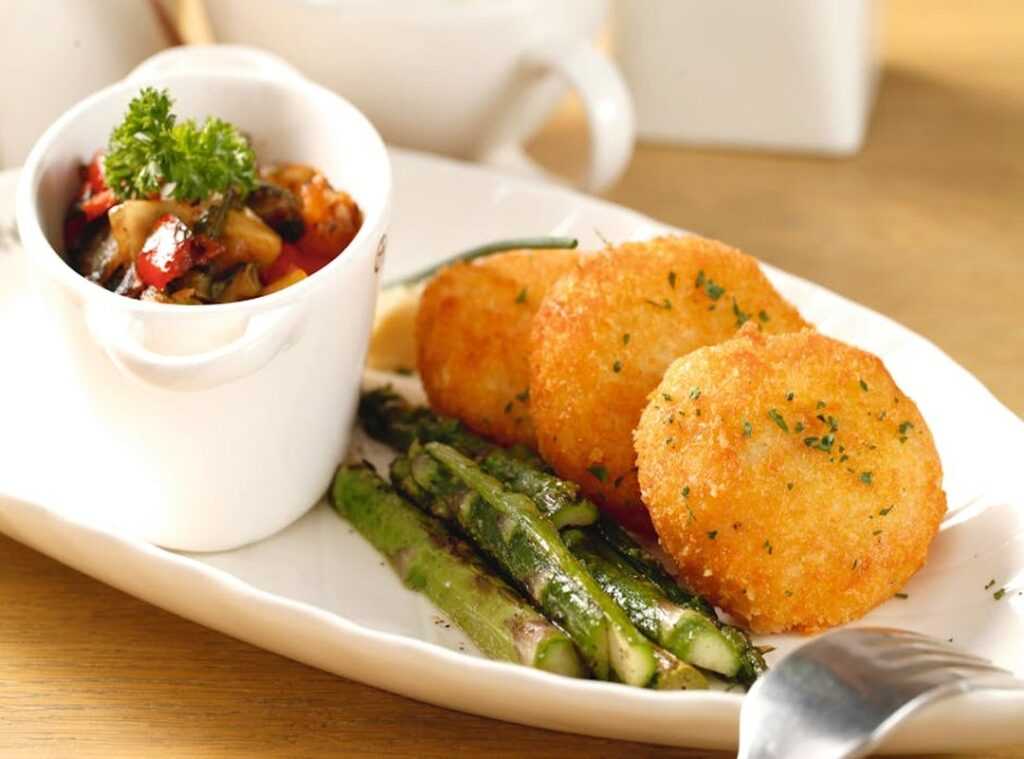
You know that scene in the movie where the little rat chef:l2-oermxmy4= ratatouille brings the grumpy critic to tears with a simple dish? It’s a heartwarming moment, but let’s be real. The film barely scratches the surface of what this dish is all about.
Ratatouille is more than just a cartoon. It’s a rich, rustic, and deeply satisfying part of French cuisine. And I’m here to show you why it deserves your attention.
We’ll dive into its humble origins in Provence, where it was born from the earthy flavors of the region. Then, we’ll get into the nitty-gritty of making it at home. You’ll learn how to create a visually stunning version that tastes even better than it looks.
This guide will cover everything from the basics to the advanced techniques. We’ll focus on the elegant spiral style, which is not just pretty but also a testament to the care and skill that goes into authentic French cooking.
By the end, you won’t just know how to make ratatouille. You’ll understand why it’s a cornerstone of French cuisine. And trust me, once you taste it, you’ll never look at it the same way again.
From Peasant Fields to Parisian Tables: The Story of Ratatouille
Have you ever wondered how a simple vegetable stew became a star in haute cuisine? Let’s dive into the origins of ratatouille.
Ratatouille comes from the Provence region of France, specifically around Nice. It started as a ‘peasant dish,’ created by farmers to use up the bounty of late-summer vegetables before they spoiled.
The name itself is fascinating. It comes from the Occitan word ‘ratatolha’ and the French ‘touiller,’ both meaning ‘to stir up’ or ‘toss.’
Originally, it was a simple, coarse stew. Vegetables were cooked down, sometimes for hours, creating a hearty and flavorful meal.
But over time, ratatouille has evolved. Today, it’s celebrated in high-end restaurants and home kitchens alike. Its versatility and timeless appeal have made it a beloved dish worldwide.
Key historical figures and chefs have helped elevate ratatouille’s profile outside its native region. But at its core, it remains a humble and delicious reminder of its peasant roots.
So, next time you enjoy a plate of CHEF:L2-OERMXMY4= ratatouille, remember the rich history behind this deceptively simple dish.
The Pillals of Provence: Selecting the Perfect Ingredients
Start with an anecdote about a trip to the local farmer’s market. I remember one summer in Provence, walking through the bustling market, and the vibrant colors of the vegetables caught my eye. It was a sensory overload, but in the best way possible.
Eggplant, zucchini, yellow squash, bell peppers (in multiple colors), and tomatoes—these are the five essential vegetables for a classic ratatouille.
Using fresh, high-quality, in-season produce is non-negotiable. Trust me, it makes all the difference. You can taste the sun and the soil in every bite.
When selecting eggplant, go for firm, shiny ones. Avoid any that feel spongy or have soft spots.
Zucchini should be unblemished and firm. Smaller zucchinis tend to be more flavorful and less watery.
Yellow squash is similar. Look for a bright, even color and a firm texture.
Bell peppers should be crisp and colorful. A mix of red, yellow, and green adds a nice visual and flavor variety.
Tomatoes? Go for fragrant, ripe ones. Roma or San Marzano varieties are great for the sauce base due to their lower water content.
One critical pre-preparation step: salting and draining the eggplant. This removes excess moisture and bitterness, giving you a better texture. Don’t skip this step.
It’s worth the extra effort.
The aromatic base is just as important. Good quality olive oil, fresh garlic, onions, and herbs like thyme, rosemary, and bay leaf bring out the best in your vegetables.
Remember, the key to a great ratatouille is in the details. Fresh, high-quality ingredients and a bit of patience will make your dish shine.
The Rustic Stew vs. The Elegant Timbale: Understanding the Two Methods
When it comes to making ratatouille, there are two main methods. Each has its own unique flavor and presentation.
The traditional method involves dicing all the vegetables and stewing them together. Often, each vegetable is cooked separately first to maintain some texture before combining. This results in a deeply melded, rustic, and comforting dish where individual flavors blend into a harmonious whole.
On the other hand, there’s the modern ‘Confit Byaldi’ style, popularized by Chef Thomas Keller for the movie Ratatouille. In this method, vegetables are sliced paper-thin, arranged in a tight spiral over a rich tomato and pepper sauce (piperade), and baked.
This modern approach offers a brighter, more distinct flavor profile. The presentation is elegant and refined, making it a feast for both the eyes and the palate.
So, which one should you choose? It depends on what you’re in the mood for. If you want something hearty and comforting, go for the traditional stew.
For a more visually stunning and refined dish, the Confit Byaldi is your best bet.
I think we’ll see more people experimenting with the Confit Byaldi style in the future. As home cooks get more adventurous and social media continues to highlight visually appealing dishes, this method will likely become even more popular.
But don’t count out the traditional method. There’s something timeless about a well-made rustic stew. It’s like a classic game console—no matter how many new versions come out, the original still holds a special place in our hearts.
If you’re looking to optimize your gaming experience with the latest consoles, check out these expert tips. Just like choosing the right method for your ratatouille, picking the right setup can make a big difference.
A Step-by-Step Guide to a Flawless Confit Biyaldi
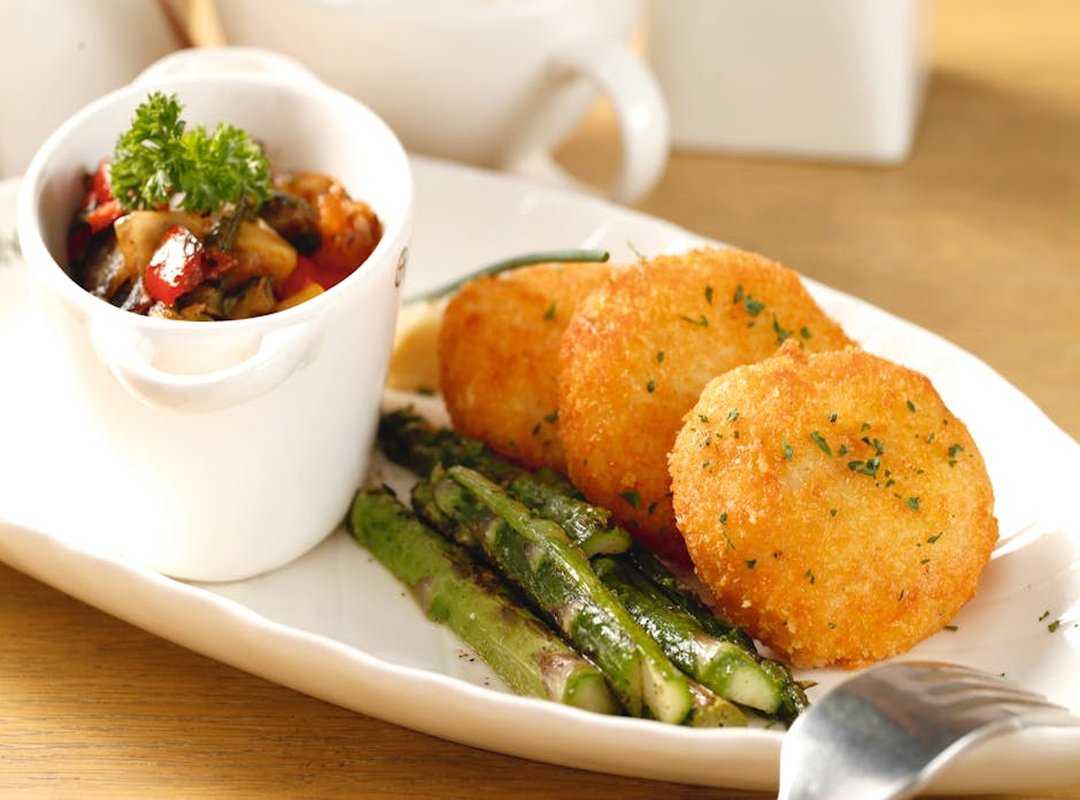
Making a modern, spiral version of confit biyaldi can be a showstopper at any dinner party. Here’s how to do it right.
Step 1: Create the Piperade Base
Start by sautéing onions, garlic, and bell peppers in a pan until they’re soft. Add crushed tomatoes and your choice of herbs. Spread this mixture evenly in a baking dish.
Step 2: Prepare the Vegetables
Uniform, paper-thin slices are key. Use a mandoline for the best results. Slice zucchini, eggplant, and bell peppers into thin, even strips.
This step is crucial for both the look and the cooking time.
Step 3: Arrange the Vegetables
Arrange the vegetable slices in an overlapping spiral pattern. Start from the outer edge and work your way to the center. This creates a visually stunning and evenly cooked dish.
Step 4: Drizzle with Vinaigrette or Herb Oil
Make a simple vinaigrette or herb oil. Drizzle it over the top before baking. This enhances the flavor and helps with browning.
Step 5: Bake It Right
Cover the dish with parchment paper (a ‘cartouche’) for the initial bake. This helps the vegetables cook evenly. After about 45 minutes, remove the parchment and let the top lightly caramelize for another 10-15 minutes.
Traditional vs. Spiral
The traditional ratatouille is a hearty, chunky stew. The spiral version, on the other hand, is more about presentation and precision. Both are delicious, but the spiral adds a touch of elegance.
Pro Tip
For a perfect finish, let the confit biyaldi rest for a few minutes before serving. This allows the flavors to meld together and makes it easier to slice and serve.
Follow these steps, and you’ll have a beautiful, flavorful confit biyaldi that’s sure to impress.
Savoring Your Creation: How to Serve, Pair, and Store Ratatouille
Ratatouille can be a versatile addition to your table. Serve it as a vegetarian main course with crusty bread and goat cheese for a satisfying meal. It also makes an excellent side dish, complementing grilled fish or roasted chicken beautifully.
For a heartier option, serve it over polenta or pasta.
When it comes to wine, a dry Rosé from Provence or a light-bodied red wine like Pinot Noir pairs wonderfully. These wines enhance the rich, savory flavors of the vegetables without overpowering them.
For storage, keep in mind that the flavors of ratatouille often meld and improve overnight, making it an ideal dish for leftovers. Store it in an airtight container in the refrigerator for up to five days.
To reheat, you can use either the oven or stovetop. The oven method, at 350°F (175°C) for about 20 minutes, helps to maintain the texture of the vegetables. On the stovetop, gently heat it on low, stirring occasionally, to prevent sticking.
Mastering a classic dish like ratatouille is a joy, and sharing it with others brings even more pleasure.