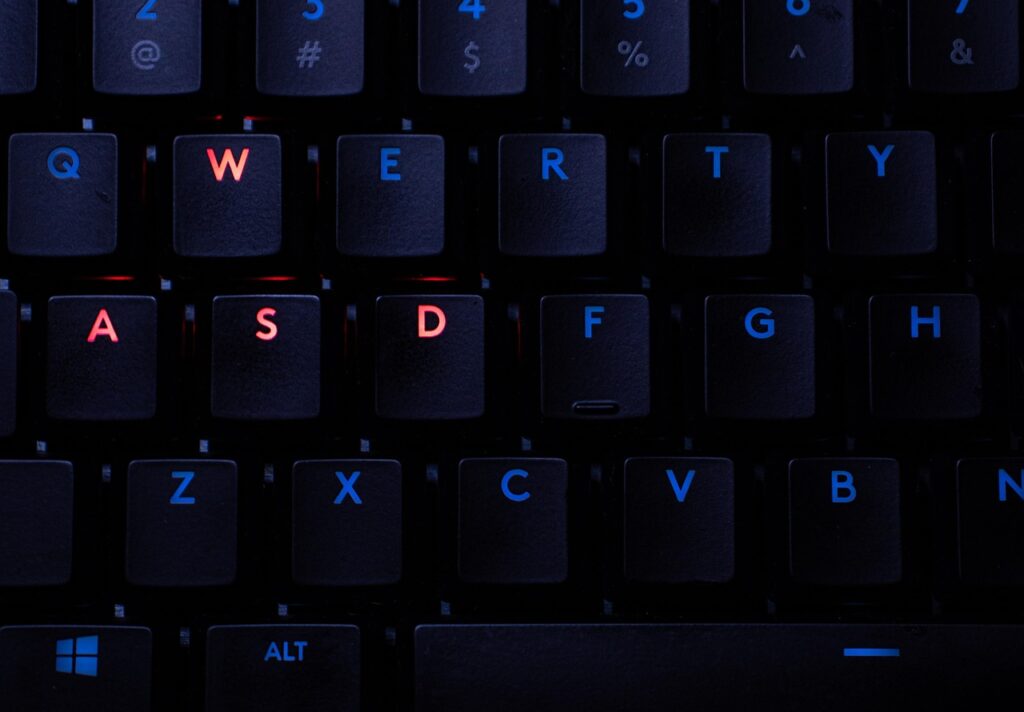

Quick Rundown: What’s the Real Difference?
In 2026, the gap between mechanical and membrane keyboards is still clear but it’s not as black and white as it once seemed. The core design difference comes down to how the keys register input. Mechanical keyboards rely on individual switches under each key, while membrane models press down on a pressure pad. That single design choice shapes nearly everything else: feel, feedback, and long term durability.
Feel and feedback are where mechanical still dominates. Each switch type linear, tactile, or clicky delivers a distinct touch, which competitive gamers and typists still swear by. Membrane keyboards can mimic the feel a little better these days, but they’re still softer and have less snap. If you care about crisp, controlled keypresses, mechanical is still the play.
Lifespan matters too. Most mechanical switches are rated to last 50 100 million keystrokes. Membranes? Around 5 10 million. So if you’re gaming hard or grinding work daily, that difference shows up faster than you think.
As for myths: no, mechanicals aren’t always loud (linear switches are pretty quiet), and not all membrane boards are garbage. In 2026, quality exists on both sides you just need to match it to how you play and work.
Bottom line: design still defines your experience, but one type isn’t universally better. It’s about picking the right tool for your setup, your budget, and your hands.
Mechanical Keyboards: Precision and Performance
For competitive gamers, mechanical keyboards aren’t just a preference they’re a necessity. It’s about speed, control, and a typing experience that matches the intensity of gameplay. Membranes have gotten better, sure, but they still can’t match the responsiveness that pros demand.
Let’s break down the switches. Linear switches are smooth and silent perfect for rapid double taps or fast strafing. Tactile switches give a subtle bump with each press, which helps for timed combos or rhythm based inputs. Clicky switches? Loud and proud. They kick back with noise and feel lover or leave them. Every switch offers a different edge, and in 2026, the range is wider than ever.
Custom builds are also growing. Swappable switches, hot swap PCBs, custom cases gamers are fine tuning every element. Durability has leveled up too. Most modern mechanical boards now outlast even your longest game marathon, with industrial grade materials and firmware updates that support deep key mapping.
Bottom line: when milliseconds matter, mechanical still wins. Whether you’re climbing ranked ladders or duking it out in a LAN bracket, performance starts with what your fingers touch first.
Membrane Keyboards: Quiet, Budget Friendly, and Evolving

Membrane keyboards have come a long way by 2026. The latest models are leaner, quieter, and more responsive than anything from just a few years ago. Advancements in rubber dome materials and key matrix design mean latency and ghosting formerly common complaints are now mostly non issues for mainstream users.
What makes them appealing? First, the noise or lack of it. If you game, type, or stream in a shared space, the quiet actuation is a lifesaver. Second, their slim designs fit tighter desks or setups where space is at a premium. And with prices staying comfortably lower than mechanical rivals, you’re getting solid function without draining your wallet.
That said, membrane boards still can’t match mechanicals when it comes to key feel or durability. The tactile feedback is softer, less distinct, and the overall lifespan tends to be shorter. For high intensity or precision heavy sessions, they might not hold up.
But for casual gaming, hybrid work setups, or anyone who just wants a chill, portable keyboard that won’t wake the house? Membrane tech is finally stepping up.
Performance Showdown: Mechanical vs Membrane in Action
When it comes down to real gameplay, performance isn’t just about specs it’s about how your keyboard holds up under fire. From response time to tactile feedback, each keyboard type brings different strengths to the table.
Response Times & Input Accuracy
In 2026, speed is still king, but now precision and feel are catching up. We’ve tested both mechanical and membrane models head to head, and the results reveal key differences:
Mechanical Keyboards:
Faster actuation (especially linear switches)
Consistent keystroke registration, even during rapid input bursts
Membrane Keyboards:
Improved input response over older models, but still slight latency under pressure
Occasional key rollover limitations in low cost options
Verdict: For twitch based gameplay, mechanical keyboards still lead but membranes are closing the gap for casual or turn based players.
Gaming Genres: Who Benefits from What
Different types of games demand different input styles. Here’s how each keyboard type stacks up:
Mechanical Keyboards Work Best For:
First Person Shooters (FPS)
MOBAs and Real Time Strategy (RTS)
Competitive titles requiring key precision and fast combos
Membrane Keyboards Work Best For:
Single player story or simulation games
Turn based strategy and casual gaming
Environments where noise reduction matters (shared spaces, streaming setups)
Ergonomics & Long Session Comfort
Gamers logging serious hours should factor in comfort and fatigue:
Mechanical Designs:
Often feature higher key profiles and better wrist support
Heavier builds reduce shifting during intense sessions
Optional ergonomic add ons, like adjustable feet and wrist rests
Membrane Builds:
Slimmer, lighter frames may suit small desks
Less tactile feedback means fingers may press harder over time
Quiet operation helps maintain focus over long stretches
Durability: Which One Lasts Longer?
Gaming setups take a beating your keyboard needs to hold up:
Mechanical Keyboards:
Rated for up to 100 million keystrokes (depending on switch type)
Replaceable switches and keys extend lifespan
Membrane Keyboards:
Typical lifespan of 5 10 million keystrokes
Often sealed designs, less prone to dust yet harder to repair
Durability Winner: Mechanical keyboards dominate longevity, but membrane models are improving with reinforced dome tech in newer iterations.
Wrap Up
Ultimately, the performance difference depends on how (and what) you play. Mechanical still wins in hardcore, competitive settings, but membrane keyboards present a sleek, budget conscious option for casual or multitasking environments.
Setup Synergy: Keyboard + Desk = Serious Gains
Even the best keyboard can’t save a cramped, cluttered desk setup. The desk you choose has a huge influence on your comfort, gameplay flow, and long term hand health. Height matters too low and you’re hunched, too high and you’ll feel it in your wrists and shoulders. A desk with good height adjustability gives you wiggle room to dial in your posture just right.
Then there’s cable chaos. If you’re running multiple devices, RGB lighting, and charging hubs, a desk with built in cable channels or under desk trays helps keep everything neat (and keeps your mouse from getting snagged mid fight). Planning for wrist support? A smooth edge or built in wrist pad beats a squared off corner every time.
The right desk clears mental space too. It gives structure to your gear, limits visual noise, and makes swapping between gaming and work mode seamless. If you’re hunting for one that punches above its price tag, check out our roundup of the top desks 2024.
Bottom Line: Pick What’s Built For Your Play Style
Not every gamer needs a loud, high end mechanical behemoth or a whisper quiet budget keyboard, for that matter. It all comes down to who you are and how you play.
If you’re into fast paced FPS titles and demand ultra precise keystrokes, go mechanical. Linear switches give speed, clicky ones give feedback. Either way, you get faster response and better customization.
Strategy gamers and casual players might prefer the comfort and quiet of a solid membrane keyboard. Slimmer builds mean more portability, and if you’re gaming in a shared space, low noise is a win.
On a tight budget? Membranes win there too. But if you’re investing in a long term rig, consider the durability of mechanical boards they’ll outlast most.
Think holistically. Your keyboard isn’t in a vacuum. Match it to your desk setup, rig style, and daily rhythm. Bonus tip: if you’re upgrading your keyboard, don’t sleep on your battle station. The right surface makes everything sharper. Peek our guide to the top desks 2024 to round out your setup.